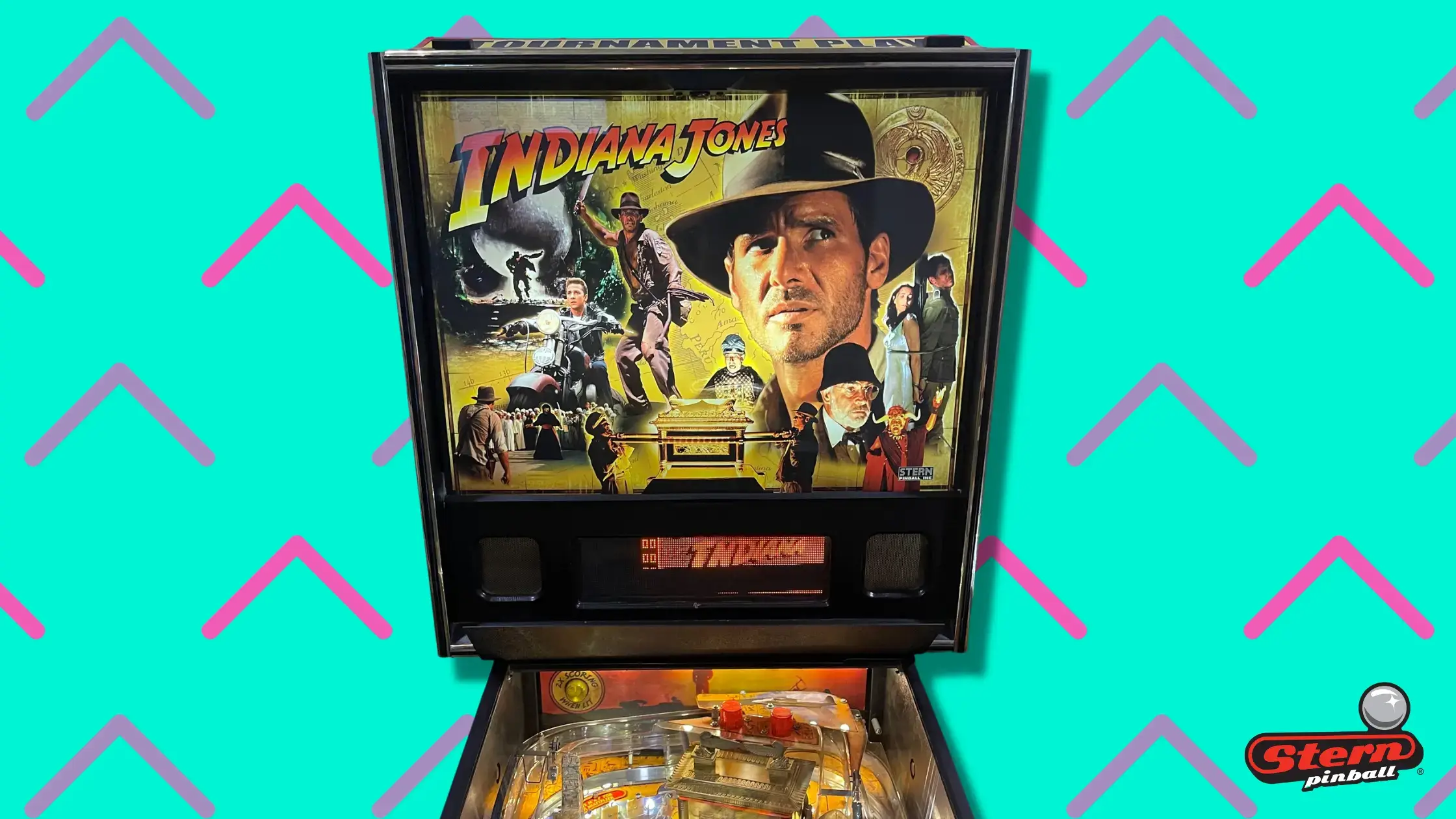
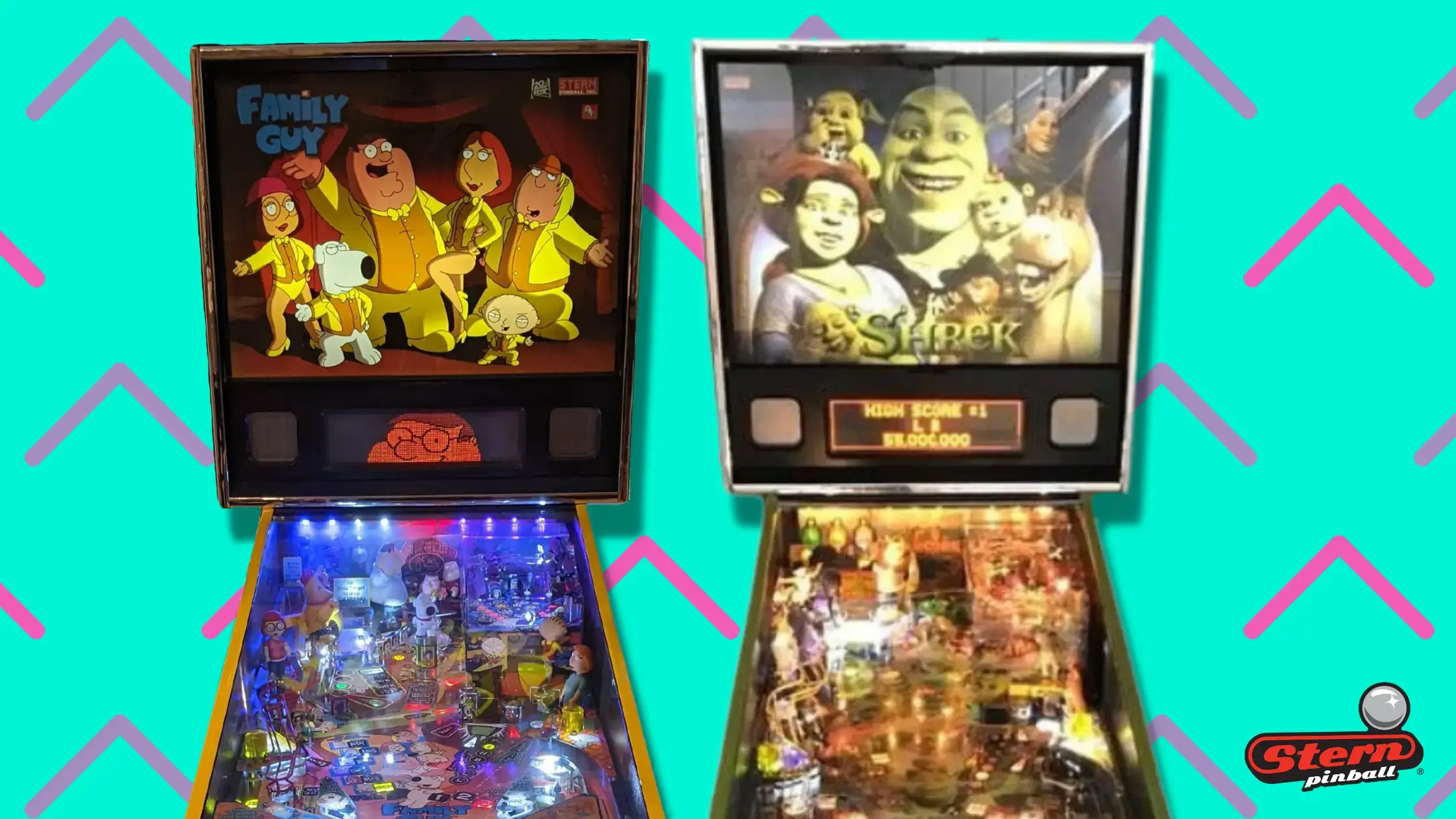
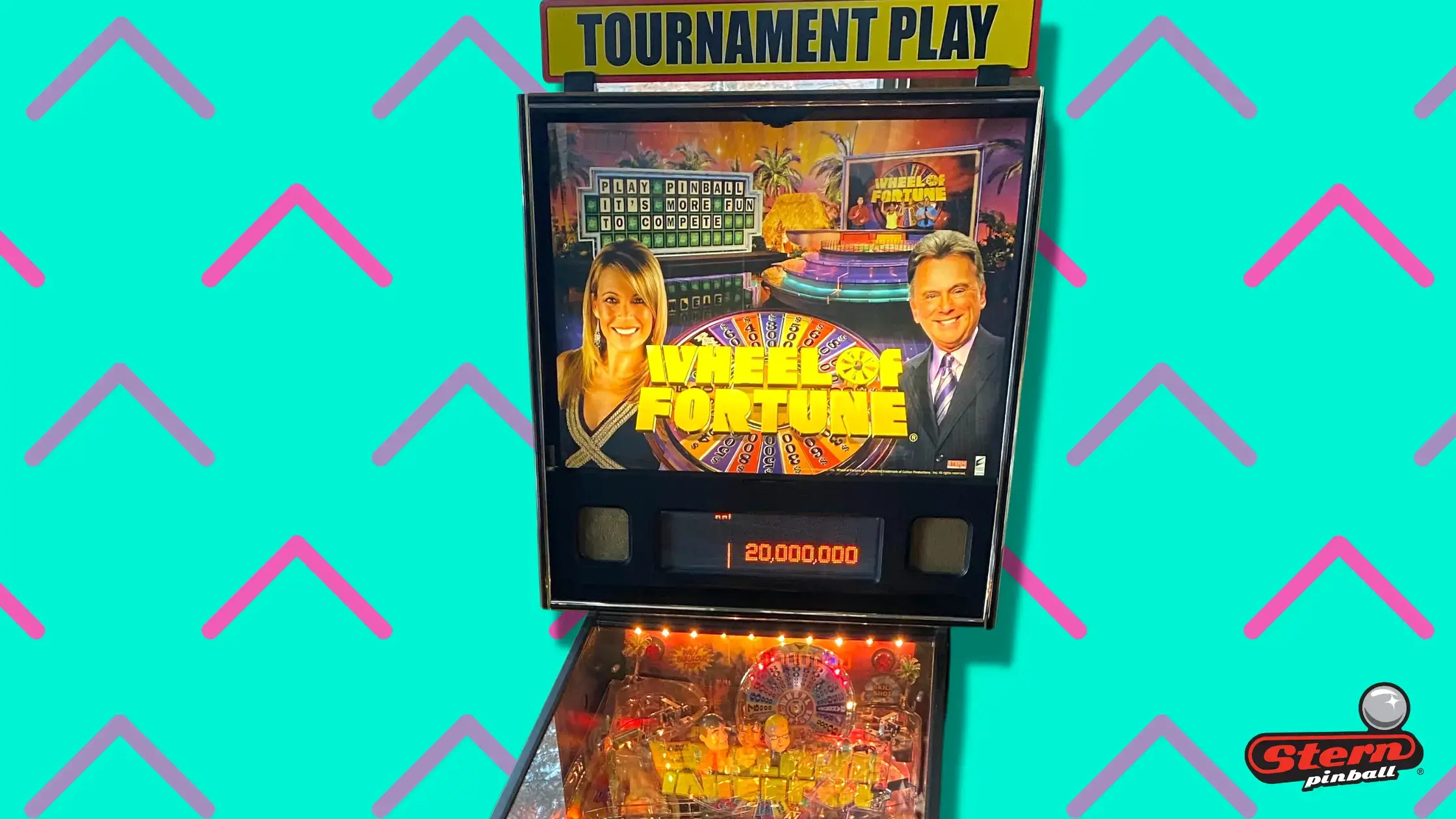
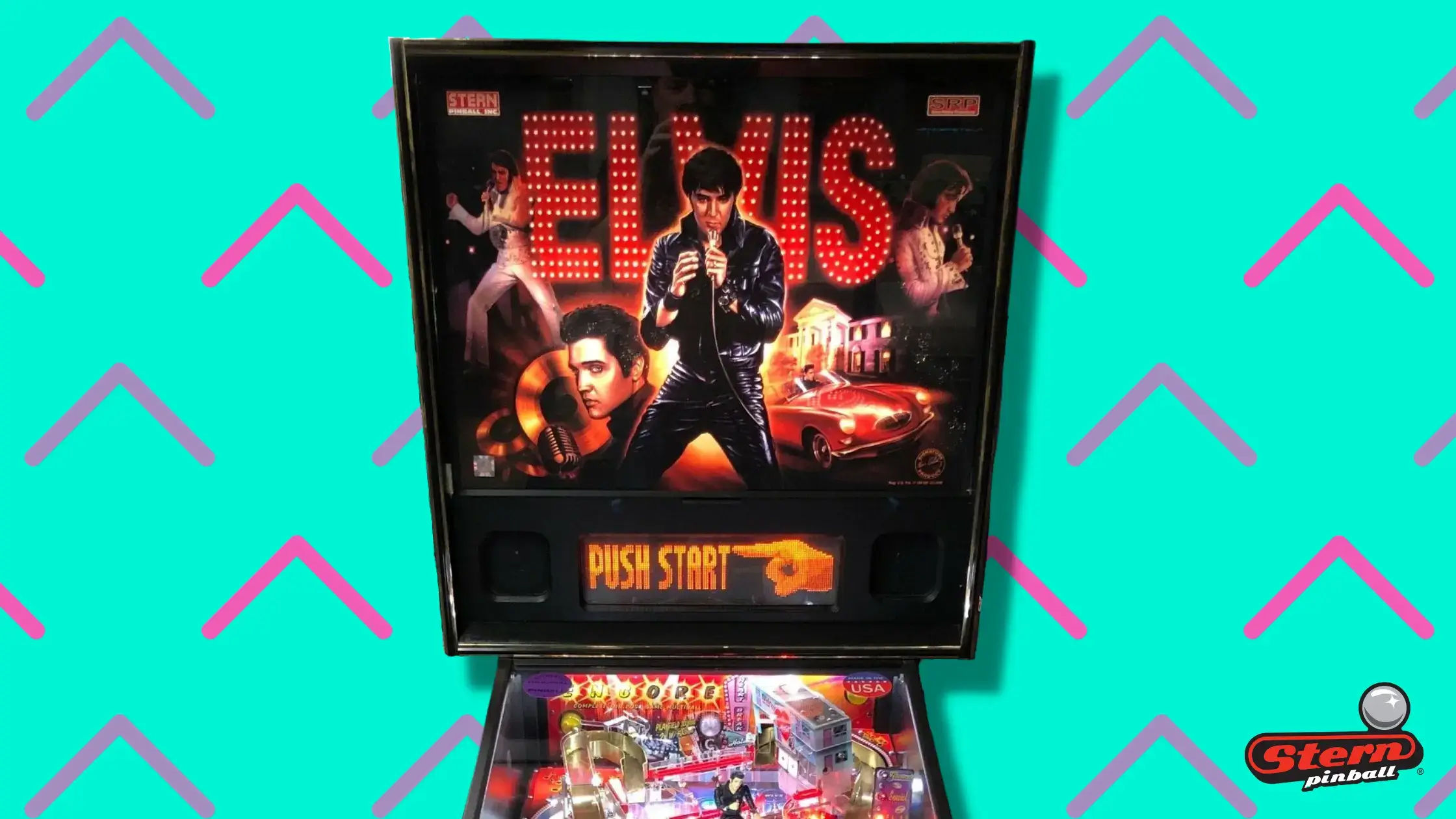
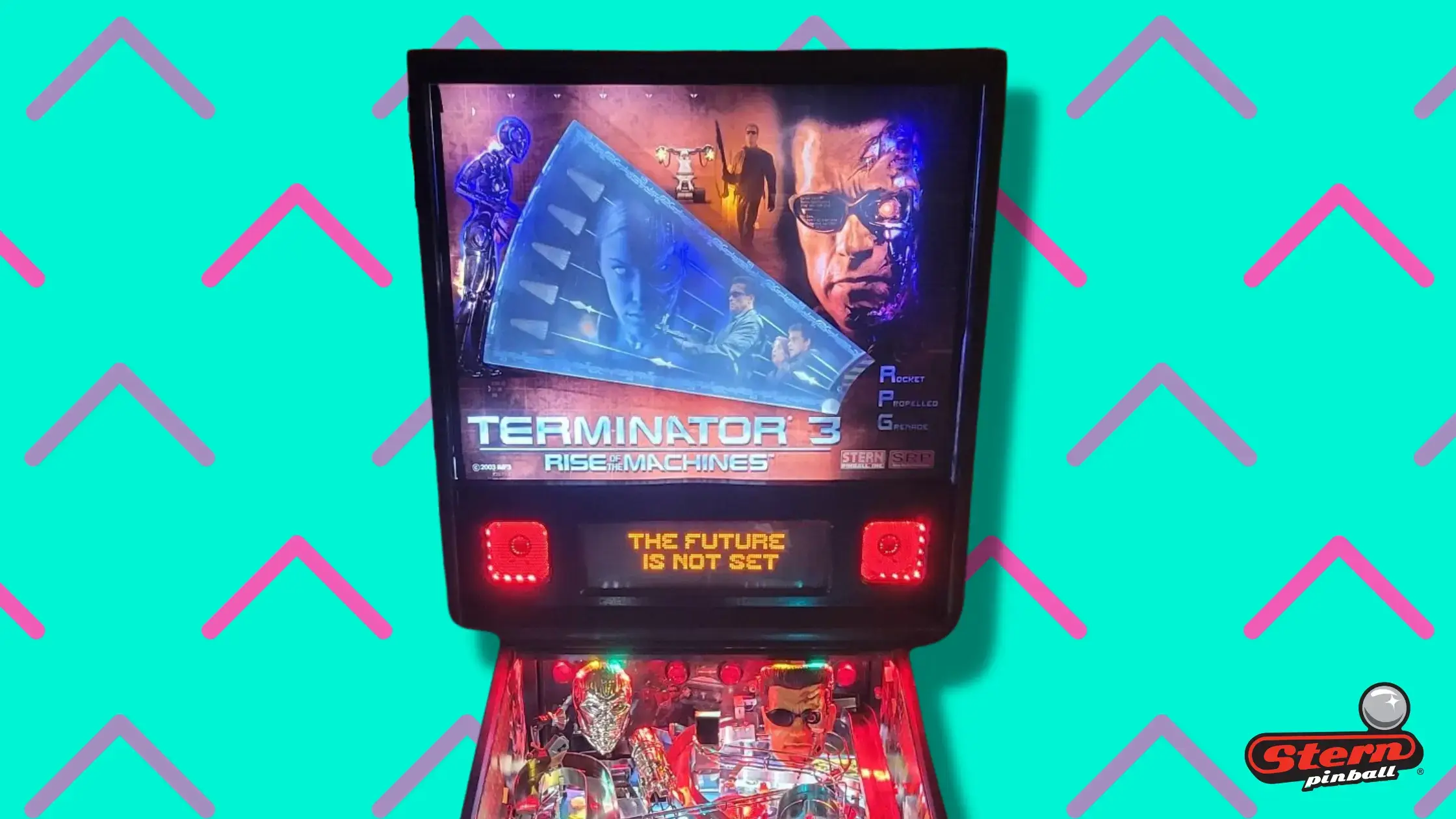
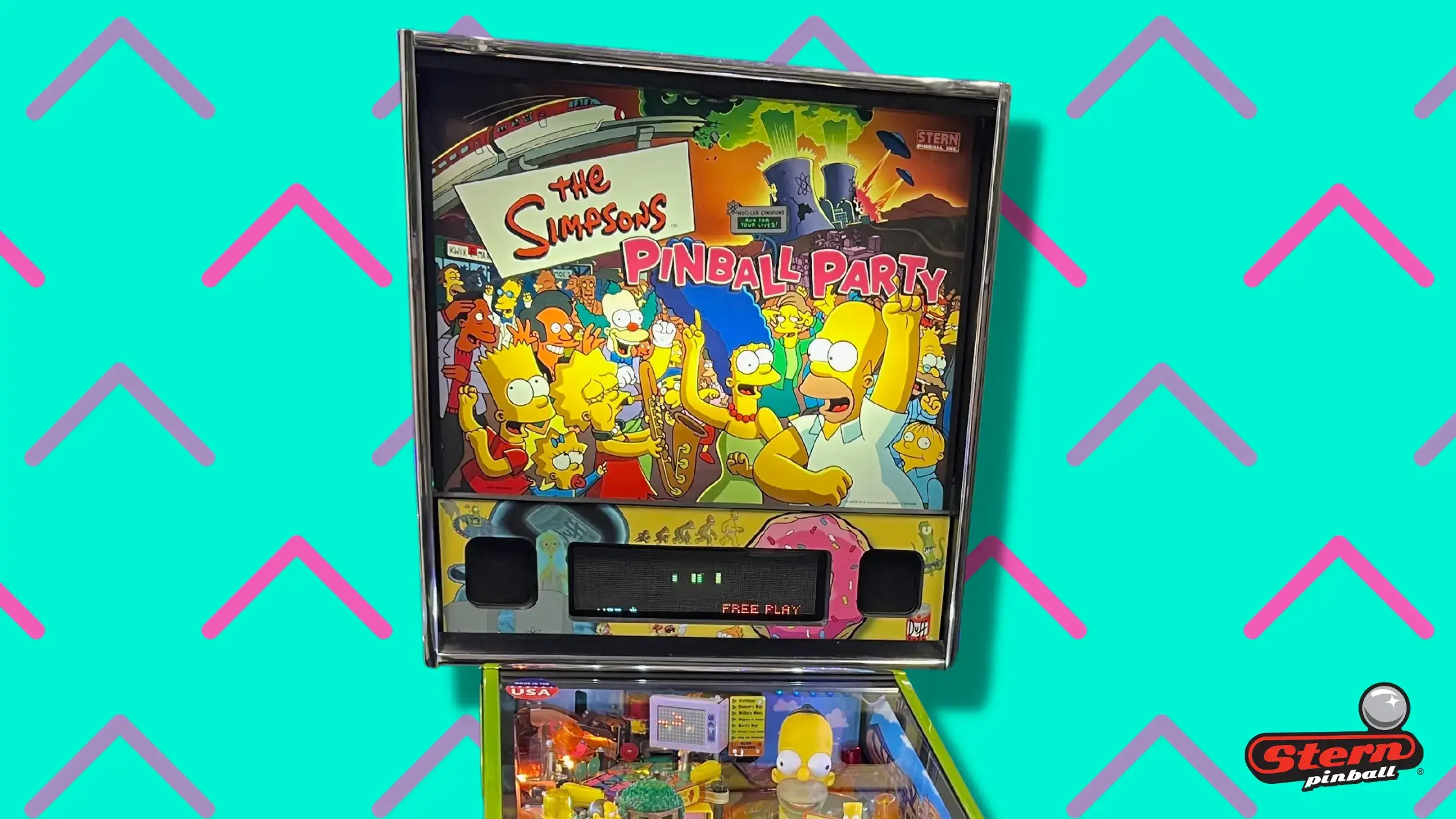
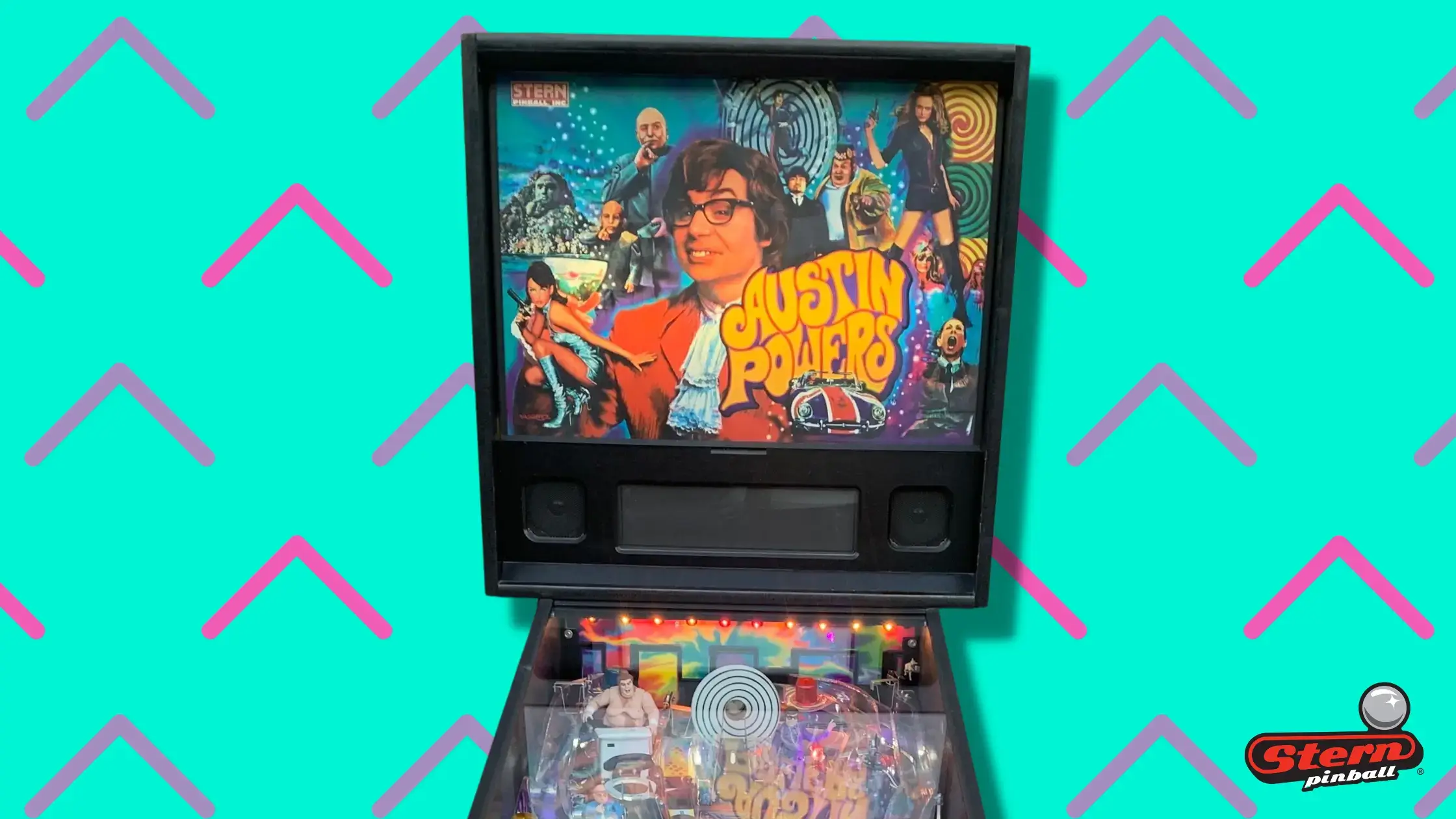
Stern Pinball refers to two entities: Stern Electronics (1977-1985) and Stern Pinball, Inc. (1999-present). The company was founded by Gary and Sam Stern when they purchased the assets of Chicago Coin in 1977. Stern Electronics left the coin-op industry in 1985, and Gary Stern founded Stern Pinball, Inc. in 1999. Today, Stern Pinball is the leading manufacturer of pinball machines, located in Elk Grove Village, Illinois.
- Pinball games:72
- Years active:1977-Present
- Status:Active
- Location:2001 Lunt Ave, Elk Grove Village, IL 60007
- Website:Stern Pinball Inc.
About Stern Pinball Inc.

Stern Pinball is a well-known name in the world of pinball machines. It has a long history dating back to 1977 when the Stern family purchased the assets of the failed Chicago Coin and founded Stern Electronics. Over the years, Stern Electronics produced a number of successful pinball machines and was considered one of the top manufacturers in the industry. However, in 1985, the company left the coin-op industry during an amusement industry downturn.
In 1999, Gary Stern founded Stern Pinball, Inc. and picked up where Stern Electronics left off. The new company has continued to produce high-quality pinball machines and has established itself as the top manufacturer in the industry. Today, Stern Pinball, Inc. is located in Elk Grove Village, Illinois, and is committed to producing games that are innovative, challenging, and fun.
With a passion for the sport and a commitment to quality, Stern Pinball has become a trusted name in the pinball community and continues to produce some of the best pinball machines on the market.